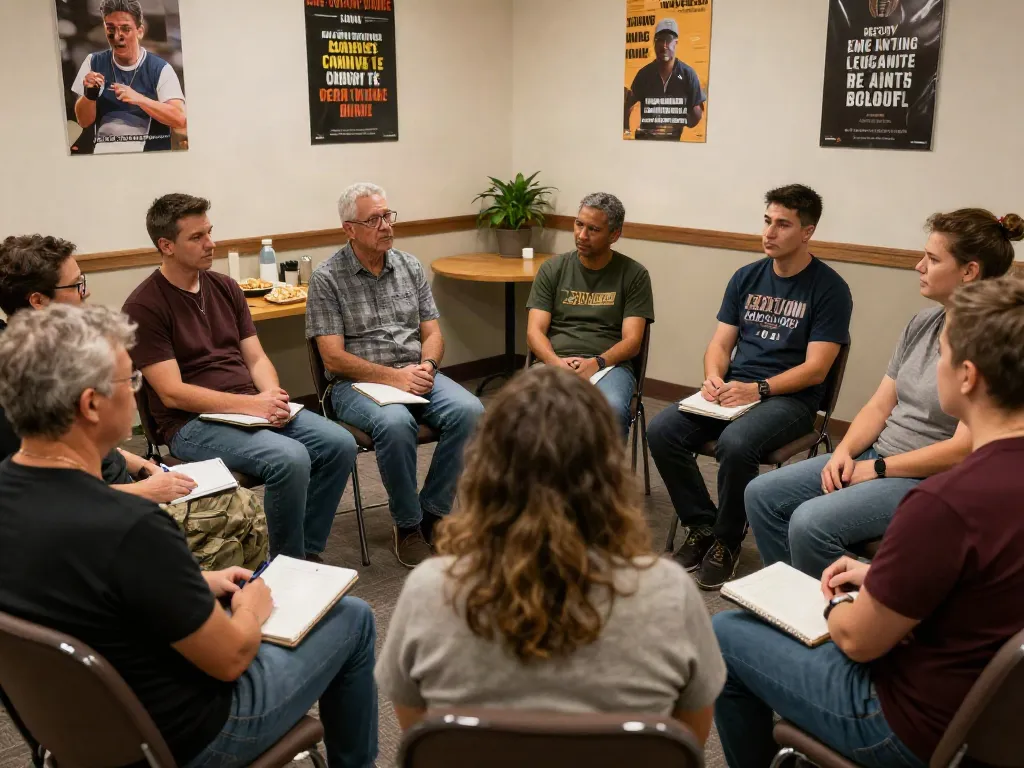
Understanding Peer Support for Veterans
As the veteran community continues to grow, the importance of accessible, effective support systems has never been clearer. Peer support for veterans has emerged as a vital resource for addressing the unique challenges faced by those who have served. This model leverages shared experiences and mutual understanding, providing a platform for veterans to connect, heal, and thrive.
What is Peer Support and Its Importance?
Peer support is a relationship-based approach where individuals with similar experiences offer guidance, understanding, and encouragement to one another. This form of support is crucial for veterans who may struggle with feelings of isolation or stigma when seeking traditional mental health services. By fostering a sense of belonging and community, peer support helps veterans navigate their challenges more effectively.
Research indicates that peer support can lead to significant improvements in mental health outcomes, including reduced anxiety and depression among veterans. The fundamental dynamics of peer support create an environment where veterans feel heard and valued, contributing to overall well-being.
The Role of Veterans in Providing Support
Veterans themselves are often the best advocates for peer support. Former service members possess a unique understanding of the experiences and challenges that accompany military life. They are equipped to provide relatable insights, making them invaluable as peer support facilitators.
Programs led by veterans often emphasize shared experiences in combat, transition to civilian life, and coping with trauma. This peer-to-peer model not only helps the individuals seeking support but also empowers veterans as they take on leadership roles within their communities.
Common Challenges Faced by Veterans Seeking Help
While peer support offers many benefits, veterans may still encounter obstacles when reaching out for help. Common challenges include:
- Stigma: Many veterans feel stigmatized when discussing their mental health struggles, which can deter them from seeking support.
- Isolation: The transition to civilian life can be isolating, making it difficult for veterans to connect with others and find supportive communities.
- Lack of Awareness: Some veterans may not be aware of the available peer support services or how to access them.
Models of Effective Peer Support Programs
Case Studies of Successful Peer Support Initiatives
Several successful peer support programs exemplify effective practices within the veteran community. One notable example is Vets4Warriors, which operates a 24/7 military peer support hotline staffed entirely by veterans. Their approach emphasizes immediate and confidential support, addressing veterans’ needs before they escalate into crises.
Another case is the Virginia Department of Veterans Services, which provides peer support groups tailored to the needs of military service members. These groups are often conducted virtually, making them accessible to veterans regardless of location.
Best Practices for Peer Support Implementation
To create effective peer support programs for veterans, several best practices should be considered:
- Training and Certification: Ensure that peer support specialists undergo proper training to equip them with the necessary skills to provide support.
- Diverse Approaches: Tailor programs to address the varying needs of veterans, considering factors such as age, service branch, and specific experiences.
- Community Engagement: Actively involve veterans in the program development process to ensure the services meet their needs and preferences.
Adapting Programs to Meet Diverse Needs
Veterans come from diverse backgrounds and experiences, necessitating adaptable peer support programs. Implementing strategies that cater to specific groups, such as women veterans or LGBTQ+ service members, is crucial for creating inclusive support systems. Additionally, integrating cultural competence in training ensures that all veterans feel respected and understood within their peer support networks.
The Impact of Peer Support on Mental Health
How Peer Support Fosters Resilience
The resilience of veterans can be significantly bolstered through peer support. Engaging in supportive relationships allows veterans to share coping strategies, gain perspective on their experiences, and cultivate a mindset oriented toward healing. This collaborative environment not only enhances individual resilience but also fosters a sense of camaraderie that can be profoundly restorative.
Reducing Isolation through Community Connections
Isolation is a major barrier to mental wellness for many veterans. Peer support creates opportunities for veterans to connect with others who understand their struggles. By participating in group meetings, events, or online forums, veterans can build meaningful relationships that combat loneliness and reinforce their sense of belonging.
Measurement of Success and Effectiveness
To evaluate the success of peer support programs, measurable outcomes should include improvements in mental health metrics, levels of participant engagement, and feedback from veterans involved in the programs. Utilizing surveys and regular assessments can help identify areas for improvement and ensure that the support remains effective and relevant.
Connecting Veterans with Resources
Finding the Right Peer Support Network
For veterans looking to access peer support networks, the process can be daunting. It's essential to identify networks that align with individual needs and values. Researching local and online options will enhance the chances of finding a suitable support group, whether it’s through veteran organizations, community centers, or online platforms.
How to Access Veteran Services
Accessing veteran services can often feel overwhelming. Veterans should familiarize themselves with the various resources available through the Department of Veterans Affairs and local veteran service organizations (VSOs). These services often include mental health support, vocational training, and community reintegration programs that can complement peer support initiatives.
Utilizing Online Platforms for Peer Support
Online platforms have revolutionized access to peer support, especially in the wake of the COVID-19 pandemic. Virtual support groups and forums allow veterans to connect without geographical limitations, providing an essential lifeline for those who may not have access to local resources. Many organizations, such as Blue Star Families, offer virtual mentorship and community-building activities that encourage engagement and connection.
Future Trends in Peer Support for Veterans
Technological Advances in Peer Support
As technology continues to evolve, so too does the approach to peer support. Future initiatives may incorporate artificial intelligence and machine learning to personalize support experiences and match veterans with appropriate resources more effectively. Additionally, apps and platforms designed specifically for veterans are likely to become more prevalent, facilitating connections and providing on-demand support.
Emerging Models of Support in 2026
Looking ahead to 2026, emerging models of support will likely focus on holistic wellness, integrating mental, emotional, and physical health into peer support programs. This comprehensive approach will address the multifaceted challenges veterans face, enabling them to thrive in their post-service lives.
Engaging the Next Generation of Veterans
As new generations of veterans emerge, it will be crucial to engage them in the design and implementation of peer support programs. Understanding their unique perspectives and preferences will ensure that initiatives remain relevant and effective, fostering a culture of support that resonates with younger veterans.
How Can Peer Support Evolve Further?
Peer support programs must continually evolve to meet the changing needs of veterans. This evolution may include the incorporation of mental health professionals into peer networks, ensuring a more comprehensive support system. Regular training and education for peer support specialists will also be crucial in maintaining the effectiveness of these programs.
What is the Future of Peer Support for Veterans?
The future of peer support for veterans looks promising, with the potential for greater integration of innovative technologies and an emphasis on community building. By fostering resilience, reducing isolation, and adapting programs to meet diverse needs, peer support can become an invaluable resource for veterans navigating their post-military journeys.