Understanding Metal Roofing Systems
In the roofing industry, metal roofing systems are gaining significant traction due to their superior performance and aesthetic appeal. These systems can be highly beneficial for homeowners looking to invest in a long-lasting roof. Among various options, one standout is the standing seam metal roofing, which combines both functionality and style. Traditional roofing materials fall short in comparison, as they often require frequent repairs and replacements, which can become a financial burden over time. By understanding the importance and advantages of metal roofing systems, homeowners can make informed decisions when embarking on their roofing projects. When exploring options, Metal Roofing Systems provide comprehensive insights into this innovative roofing solution.
What are Metal Roofing Systems?
Metal roofing systems are traditional and modern roofing solutions made primarily from metals such as steel, aluminum, and copper. These roofs are designed to withstand extreme weather conditions, making them an excellent choice for various climates. Metal roofs can come in different styles and configurations, including panels, shingles, and tiles, each catering to diverse architectural designs and personal tastes.
In addition to their aesthetic versatility, metal roofs are engineered to reduce energy costs and improve energy efficiency significantly due to their reflective properties. This not only keeps homes cooler in summer but also minimizes the energy consumption required for heating in winter months. Moreover, metal roofing systems are also regarded as eco-friendly because they are usually made from recycled materials and can be recycled again at the end of their lifecycle.
Benefits of Choosing Metal Roofing
The benefits of metal roofing systems are vast, contributing to their increasing popularity among homeowners. Some notable advantages include:
- Durability: Metal roofs can last anywhere from 40 to 70 years with proper maintenance, far outpacing traditional roofing options like asphalt shingles.
- Weather Resistance: Metal roofing systems effectively shed rain, snow, and ice, preventing water buildup that can lead to leaks and structural damage.
- Fire Resistance: Metal roofs are non-combustible, offering superior fire protection compared to traditional roofing materials.
- Cost Efficiency: Although the initial costs might be higher, the longevity and low maintenance requirements of metal roofs make them cost-effective in the long run.
- Energy Efficiency: Reflective metal roofs reduce cooling costs by reflecting sunlight and absorbing less heat.
Common Misconceptions About Metal Roofing
Despite their many advantages, several misconceptions about metal roofing persist. Some homeowners believe that metal roofs are excessively noisy during rain or hail storms. However, modern metal roofs are designed with insulation, reducing noise significantly. Others worry that metal roofs will rust over time, but advancements in protective coatings have mitigated this concern, ensuring that metal roofs continue to perform effectively without deterioration.
Furthermore, some homeowners think that metal roofs are only suitable for industrial or commercial buildings, but metal roofing systems are available in various styles that complement residential architecture beautifully.
Advanced Features of Standing Seam Roofing
Overview of the Hidden Fastening System
One of the standout features of standing seam roofing is its advanced hidden fastening system. Unlike traditional roofing systems where fasteners are visible, standing seam roofs utilize concealed clips that allow for thermal movement. This unique design enhances the roof's aesthetics and significantly reduces the likelihood of leaks. It creates a seamless appearance that enhances the overall architectural style of the building, making it ideal for modern designs.
Durability and Weather Resistance
Standing seam roofs are constructed from high-quality materials, typically galvanized steel, providing incredible strength and resistance to extreme weather conditions. These roofs are particularly beneficial in regions that experience heavy snowfall or strong winds, as the vertical panels interlock to create a sturdy barrier against the elements. Unlike traditional roofs that may sag or fail under heavy loads, standing seam roofs maintain their structural integrity year after year.
Energy Efficiency in Metal Roofing Systems
Energy efficiency is a critical consideration for modern homeowners. Standing seam metal roofs shine in this arena, thanks to their reflective surfaces that minimize heat absorption. In summer months, homeowners can experience significant savings on cooling costs, while proper insulation can help retain warmth during winter. The combined energy efficiency of standing seam metal roofs contributes to a more sustainable living environment, lowering overall energy consumption and reducing utility bills.
Installation Practices and Considerations
Choosing the Right Contractors for Your Project
When it comes to installing metal roofing systems, selecting a competent contractor is paramount. A qualified contractor should be experienced in metal roofing installation and familiar with the specific requirements of standing seam systems. Homeowners should seek out contractors who are manufacturer-certified to ensure high-quality workmanship. Checking reviews, asking for references, and reviewing past projects can help in making an informed decision.
Installation Process of Standing Seam Roofs
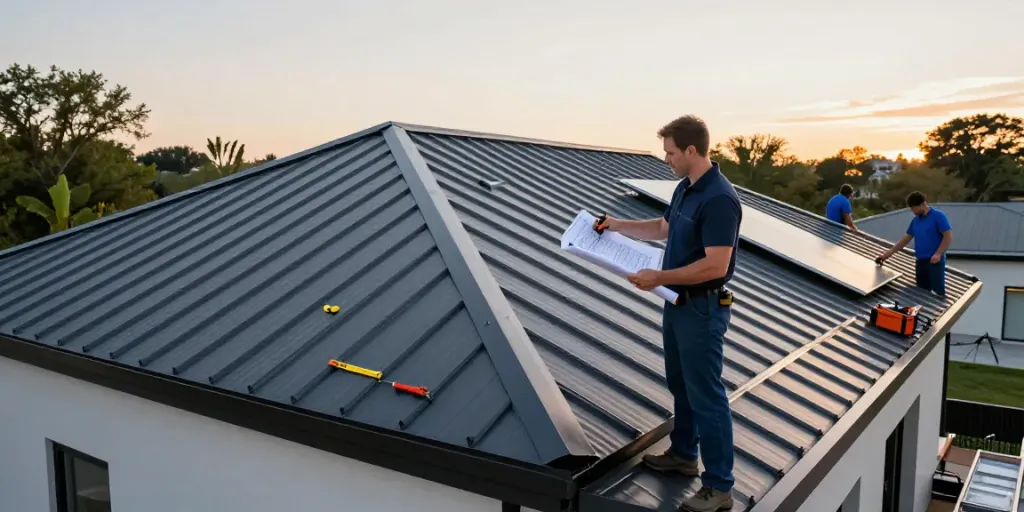
The installation of standing seam roofs typically involves several steps, including:
- Preparation: This includes inspecting the existing roof and preparing the substrate.
- Truss Alignment: Ensuring proper spacing and alignment of trusses to support the roofing panels.
- Panel Installation: Attaching the metal panels, which are typically anchored with concealed fasteners, to prevent leaks and enhance durability.
- Flashing and Sealing: Installing flashing around chimneys, vents, and eaves to prevent water intrusion.
- Final Inspection: Conducting a thorough inspection to ensure everything is installed correctly and that there are no potential weak points.
Maintenance Tips for Longevity
While metal roofs, particularly standing seam systems, are low-maintenance, some care is necessary to ensure longevity. Here are a few maintenance tips:
- Regular Inspections: Conduct bi-annual inspections to look for any signs of damage or wear, especially after severe weather.
- Keep Debris Off: Remove leaves, branches, and other debris that can trap moisture and lead to corrosion.
- Check Flashing: Regularly inspect the flashing around penetrations and edges to ensure seals remain intact.
- Professional Cleaning: Hire professionals to conduct deep cleaning and maintenance, especially in areas with heavy foliage.
Customization and Aesthetic Options
Selecting Colors and Finishes
Metal roofing systems come in various colors, finishes, and textures, giving homeowners the flexibility to complement their home's exterior. Popular choices include classic shades like gray, black, and bronze, as well as bolder options like red or blue. Homeowners can also choose finishes that mimic traditional materials such as shingles or tiles, allowing for unique aesthetics while enjoying the benefits of metal roofing.
Design Flexibility for Different Architectural Styles
Whether your home features a contemporary, traditional, or rustic design, standing seam metal roofs can enhance your aesthetic appeal. Their sleek lines and minimalist designs make them suitable for modern homes, while they can also be adapted to fit more traditional styles. This versatility ensures homeowners can achieve the look they desire without sacrificing durability or performance.
Enhancing Curb Appeal with Metal Roofing Systems
Investing in a standing seam metal roof not only improves the longevity of your home but also elevates its curb appeal. The clean and modern look of metal roofing can significantly increase property value, making it an attractive option for potential buyers. By selecting the right color and finish, homeowners can create a stunning visual impact that sets their home apart from others in the neighborhood.
Future of Metal Roofing in 2026
Emerging Trends in Metal Roofing Technology
As we approach 2026, the technology surrounding metal roofing systems continues to evolve. Innovations such as improved coatings for enhanced durability, lighter materials, and enhanced solar-reflective technologies are paving the way for even more efficient metal roofs. Additionally, the integration of smart roofing systems that can monitor weather conditions and performance is on the horizon.
Predicted Cost Trends and Market Growth
The market for metal roofing is projected to grow steadily over the next few years. While the initial cost of metal roofing may remain higher than traditional materials, the long-term savings on energy bills and maintenance will continue to drive homeowners toward this investment. Cost-effective production methods are also expected to lower prices in the coming years, making metal roofing even more accessible.
Sustainability Practices in Metal Roofing
The sustainability of metal roofing systems is becoming increasingly relevant as homeowners adopt more environmentally friendly practices. Many manufacturers are focusing on sustainable sourcing of materials and improving the recyclability of their products. As awareness of climate change grows, the demand for eco-friendly roofing solutions will likely surge, placing metal roofing at the forefront of sustainable building practices.
What are the different types of metal roofing systems?
Metal roofing systems encompass a range of styles, including standing seam, corrugated panels, metal shingles, and metal tiles. Each system offers unique benefits tailored to specific applications. Homeowners should consider their aesthetic preferences, local climate, and budget when choosing the most suitable type for their project.
How much does a metal roof cost for a 2000 sq ft home?
The cost of a metal roof for a 2000 square foot home varies based on several factors, including material choice, installation complexity, and roofing location. On average, homeowners can expect to pay between $8,000 to $14,000 for installation, which may include materials and labor costs.
What is the average price for a 3 ft by 10 ft metal roof?
The average price for a 3 ft by 10 ft section of metal roofing typically ranges from $50 to $100, depending on the material and finish selected. Homeowners should keep in mind that prices may fluctuate based on local market conditions and the availability of specific materials.