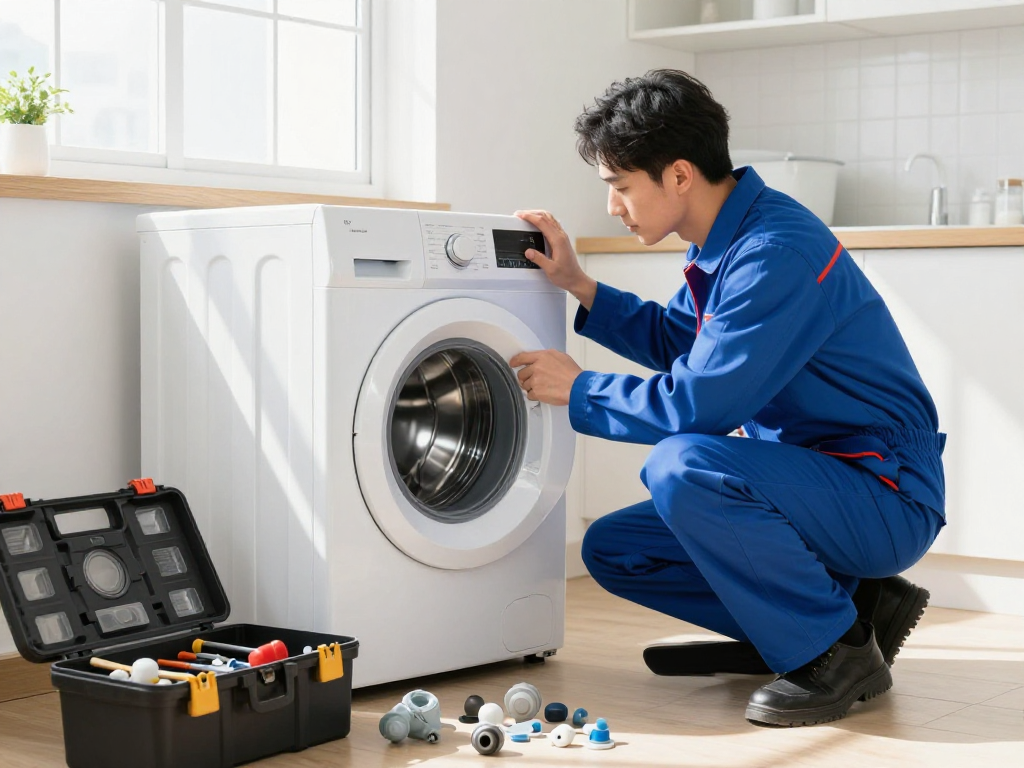
Understanding Common Washing Machine Issues
Washing machines are essential appliances in many households, providing a convenient solution to keep our clothes clean. However, like any mechanical device, they can encounter issues that interrupt their service. Understanding the common problems that arise with washing machines can help owners identify symptoms early and seek appropriate remedies. In this article, we will explore the typical malfunctions, their causes, and provide insights on washing machine repair solutions.
Identifying Symptoms of Malfunction
The first step in addressing washing machine problems is recognizing the signs that indicate a malfunction. Common symptoms include:
- Water Leaks: Puddles around the machine may suggest faulty hoses or seals.
- Unusual Noises: Grinding, banging, or high-pitched sounds often indicate loose parts or motor issues.
- Failure to Spin: If the machine refuses to spin, it may have an obstruction or a faulty motor.
- Odor: A moldy or burnt smell can signal moisture accumulation or electrical failures.
Common Causes of Washing Machine Breakdowns
Understanding the root causes of these problems can help homeowners address them effectively. The most frequent reasons include:
- Overloading: Putting too many clothes can strain the machine.
- Worn Out Parts: Components like belts or seals degrade over time and use.
- Improper Installation: Incorrectly leveled machines can cause excessive shaking and damage.
- Clogs: Lint and debris build-up in hoses and filters can impede water flow.
Impact of Neglect on Machine Longevity
Neglecting maintenance can lead to significant problems down the line, drastically reducing the lifespan of washing machines. Regular checks and timely repairs can prevent minor issues from escalating into costly failures. By implementing a good maintenance routine, homeowners can ensure their machines remain functional for years, maximizing their investment.
DIY vs. Professional Washing Machine Repair
When a washing machine malfunctions, homeowners often face a choice: attempt a DIY repair or hire a professional technician. This decision can depend on various factors including the complexity of the issue, available tools, and personal expertise.
When to Attempt DIY Repairs
Some minor repairs can be tackled by resourceful homeowners. These include:
- Replacing Hoses: This is a relatively straightforward task with minimal risk.
- Cleaning Filters: Accessing and cleaning the lint filter or drain pump filter can prevent clogs.
- Unclogging the Drain: Homeowners can often handle minor drain clogs with a plumbing snake.
Benefits of Hiring a Professional Technician
While DIY repairs can save money, hiring a professional has its advantages:
- Expertise: Technicians have specialized training and experience with various models.
- Time-Saving: Professionals can often diagnose and fix problems quickly.
- Warranty Protection: Many companies offer warranties on repairs, ensuring peace of mind.
Cost Analysis: DIY vs. Professional Services
Cost is often a significant deciding factor between DIY repairs and hiring a professional. DIY can initially seem cheaper, but unexpected complications can lead to higher costs later on. Conversely, professional services might include a higher upfront cost but can ultimately save homeowners from further expenses in repairs.
Essential Tools for Washing Machine Repair
Equipping oneself with the proper tools is essential for any homeowner interested in DIY washing machine repair. Having the right tools on hand can make a significant difference in the success of a repair job.
Basic Tools Every Homeowner Should Have
Some essential tools for washing machine repairs include:
- Screwdrivers: Both flathead and Phillips types are necessary for various screws.
- Wrenches: Adjustable wrenches are useful for tightening or loosening hose connections.
- Pliers: These can help remove stubborn clamps and fittings.
Specialized Equipment for Advanced Repairs
For more complex repairs, specialized tools might be required, such as:
- Multimeter: This can help diagnose electrical issues by measuring voltage, current, and resistance.
- Diagnostic Software: Some modern machines have error codes that can be scanned and diagnosed.
Safety Equipment and Precautions
Safety should always be a priority. Consider using the following safety equipment when making repairs:
- Gloves: Protective gloves can prevent cuts or scrapes.
- Safety Glasses: These can protect eyes from debris while working.
Tips for Maintaining Your Washing Machine
Maintaining a washing machine is crucial for its longevity and efficiency. Regular maintenance can save homeowners from frequent repairs.
Best Practices for Daily Use
To ensure optimal performance, homeowners should:
- Load Properly: Avoid overloading or underloading the machine.
- Use the Right Detergent: Use a detergent that is suitable for your machine type.
Cleaning and Maintenance Schedules
A routine maintenance schedule can help keep the machine in working order. Some useful practices include:
- Monthly Cleaning: Run an empty cycle with vinegar to eliminate odors.
- Regular Inspections: Check hoses and connections frequently for leaks.
Avoiding Common Mistakes that Lead to Repairs
Some common mistakes can lead to premature wear and tear on washing machines. Avoid:
- Ignoring Unusual Sounds: Address strange sounds immediately to prevent further damage.
- Neglecting Clogs: Regularly check and clean filters and drain systems to avoid backups.
The Future of Washing Machine Technology
The world of washing machines is rapidly evolving, with new technologies emerging that promise to improve efficiency and user experience.
Emerging Trends in Home Appliances
Future washing machines will likely incorporate more advanced technologies, such as:
- AI Integration: Smart machines can learn user preferences and optimize cycles accordingly.
- Eco-Friendly Features: Innovations aimed at reducing water and energy usage will become increasingly common.
Smart Technology Integration in Washing Machines
Smart washing machines are transforming how we do laundry, offering features like:
- Remote Monitoring: App integrations allow users to monitor and control their machines from smartphones.
- Diagnostics: Smart devices can self-diagnose issues and alert users to potential problems.
Predictions for Washing Machine Repairs in 2026
As technology advances, so will the complexity of washing machines, which may lead to changes in repair practices. We can expect:
- Increased Dependence on Technicians: As machines become more sophisticated, professional repairs may become more necessary.
- Enhanced Training for Technicians: Technicians will need to stay updated with the latest technology to provide effective service.
What are the symptoms of a malfunctioning washing machine?
Common symptoms of a malfunctioning washing machine include water leaks, unusual noises, failure to spin, and odd odors. Recognizing these symptoms quickly can help in addressing the issue before it becomes severe.
Can I fix my washing machine myself?
Yes, many minor issues can be repaired by homeowners. Basic tools and a willingness to learn can empower you to tackle some repairs on your own, but for complex problems, it may be best to hire a professional.
What tools do I need for washing machine repair?
Basic tools like screwdrivers, wrenches, and pliers are essential for most washing machine repairs. For advanced issues, a multimeter and diagnostic software may be required.
How often should I maintain my washing machine?
Regular maintenance is key. Homeowners should perform basic upkeep monthly and conduct more thorough inspections and cleanings at least once a year.
What are the latest technologies in washing machine design?
Recent advancements include AI integration for smarter laundering, eco-friendly designs to minimize resource use, and the incorporation of IoT connectivity for remote management.. Additionally, appliance technician provides further details.